






Vertical Lift Modules Explained: Key Takeaways
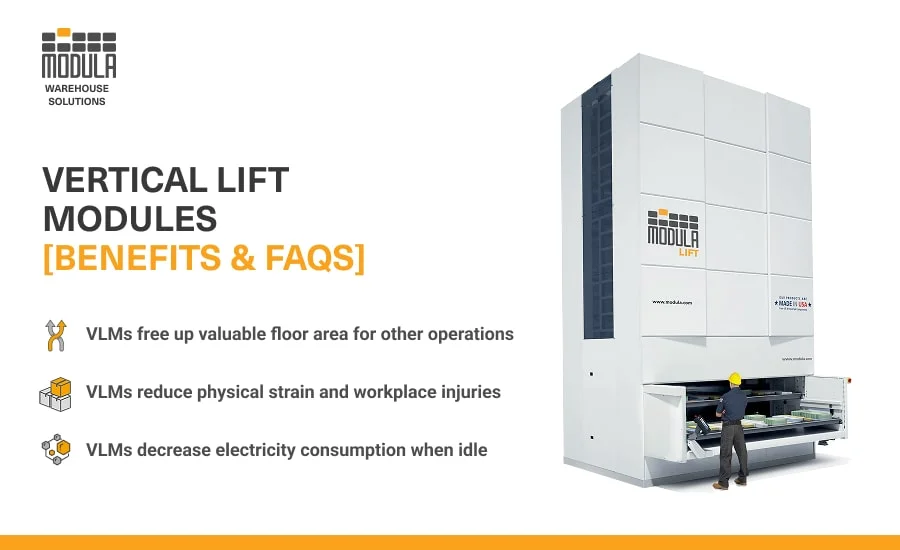
- Vertical lift modules optimise overhead space to reduce the warehouse floor footprint
- VLMs strengthen warehouse safety by delivering items at an ergonomic height, decreasing operator strain
- Most VLMs use regenerative systems to recapture energy as trays descend
The global warehouse automation market is projected to reach $41 billion by 2027 with a 15% CAGR.
As the market expands, warehouse managers can expect broader access to scalable and automated solutions, such as vertical lift modules.
Staying ahead in today’s market starts with knowing how these technologies can transform your operations.
In this article, we will:
- Share how VLMs improve productivity, optimise space, and enhance picking accuracy across your warehouse operations
- Explain what your warehouse needs before VLM installation
- Get to know the advanced Modula Lift at Modula APAC
Key Benefits of Vertical Lift Modules
Thinking about automating your storage? These are the biggest benefits of using a vertical lift module.
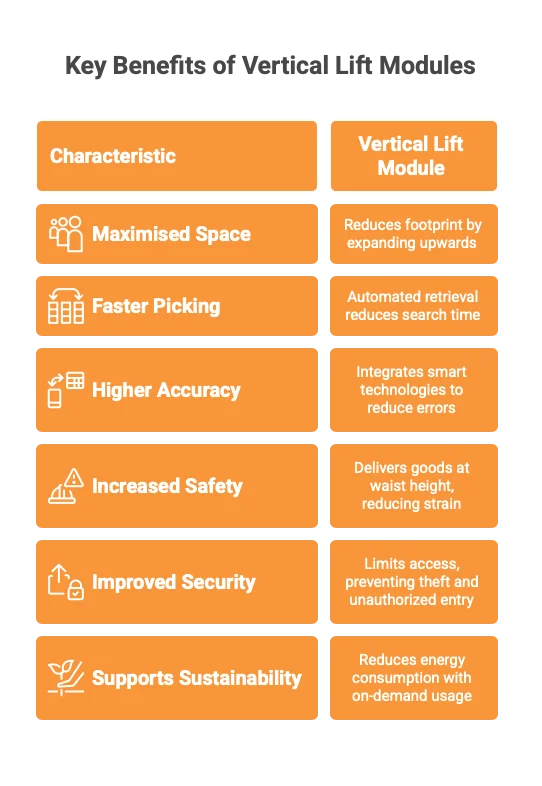
1. Maximised Floor Space
Unlike traditional racking systems that spread horizontally, vertical lift modules are engineered to expand upwards.
They capitalise on overhead airspace, reducing the footprint required on the warehouse floor.
For example, a standard VLM standing at 7.5 metres can store the same number of SKUs as multiple shelving units that would otherwise span over 30 square metres.
2. Faster Picking
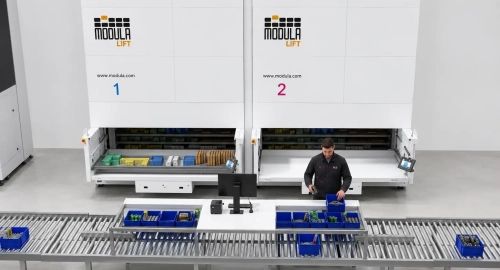
Vertical lift modules reduce search time and streamline access to stored inventory through automated tray retrieval. With the push of a button, the system delivers the correct tray to an ergonomic access window.
For instance, operators can retrieve most items in an estimated 45 seconds, enabling a pod of machines to reach throughput rates of up to 500 lines per hour.
3. Higher Picking Accuracy
Vertical lift modules integrate smart technologies such as pick-to-light guidance, barcode validation, and WMS synchronisation to reduce human error.
To paint a picture for a pharmaceutical warehouse, visual picking aids highlight the exact bin where a product is stored, ensuring correct lot and expiry selection, critical for TGA compliance.
4. Increased Warehouse Safety
Under Occupational Health Services Australia laws, your business must provide a safe work environment, regardless of size or structure.
Traditional order picking, however, often involves physically demanding tasks such as bending, lifting, climbing ladders, or walking long distances.
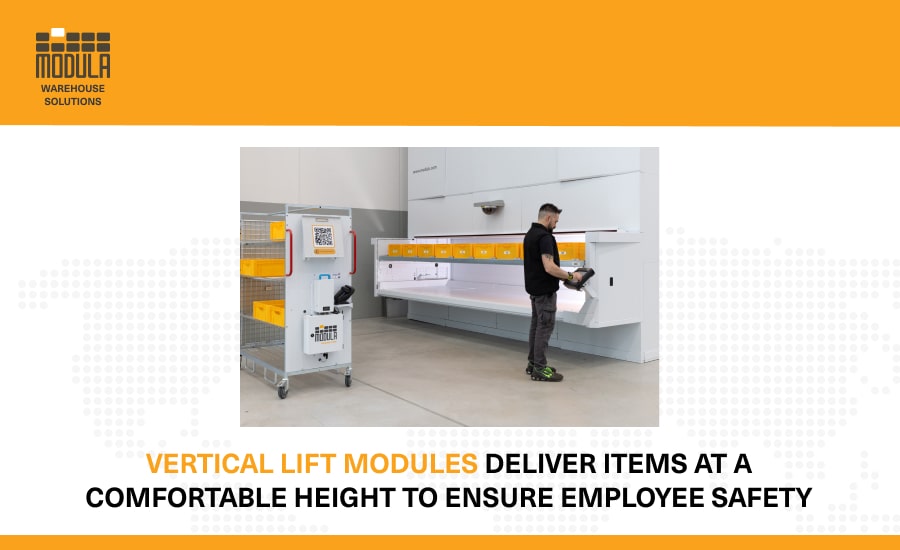
Vertical lift modules address these risks by delivering goods directly to the operator at waist height, significantly reducing physical strain.
5. Improved Security
In a high-profile case, police arrested a worker for allegedly stealing electronic equipment worth HK$3 million (US$386,112) from Hong Kong Disneyland’s warehouse, highlighting the need for secure inventory systems.
Vertical lift modules help prevent such incidents by allowing access to only one tray at a time, keeping all other inventory locked and out of sight. This design limits opportunities for unauthorised access or theft.
VLMs also support RFID badge readers, electronic key systems (EKS), and user authentication, guaranteeing that only permitted staff can access specific items.
When idle, automatic shutter doors seal the access point, ensuring inventory stays protected even when the system is unattended.
For companies managing high-value, sensitive, or regulated items, VLMs offer a proactive way to deter theft and enforce strict access control.
6. Reinforced Sustainability
Vertical lift modules consume power only when moving trays. Otherwise, they remain in a low-energy standby mode. This on-demand usage significantly reduces daily electricity consumption.
Many models also feature regenerative braking. As the lift descends, it converts kinetic energy into electricity through an onboard inverter, feeding it back into the system.
This can cut energy use by up to 40%, contributing to lower operating costs and improved sustainability.
Warehouse Requirements for Vertical Lift Modules
A VLM can transform your warehouse, but only if your space is ready.
Before installation, your facility needs to meet certain criteria to ensure safety, efficiency, and performance.
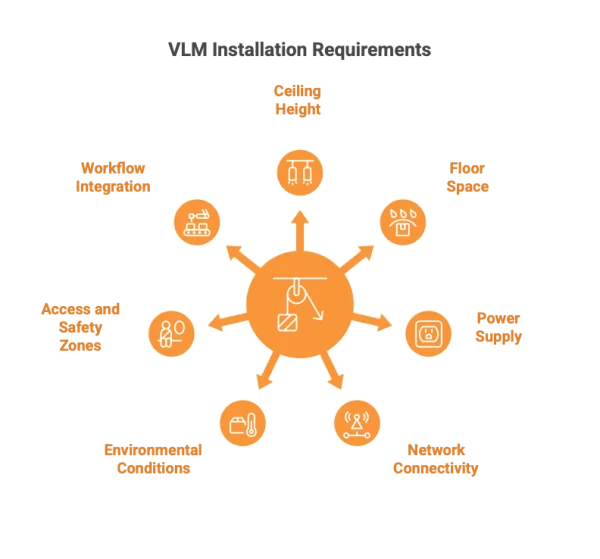
1. Ceiling Height
VLMs require a minimum ceiling height of 3.5 metres, with taller models reaching up to 15 metres for increased capacity. Allow space above for motors, safety panels, or extraction components.
2. Floor Space and Load Capacity
The floor must be level and support 2,500–4,500 kg/m², depending on the unit. Leave at least one metre of clearance around the VLM for access, ventilation, and maintenance.
3. Power Supply
A three-phase connection is required, typically 400V/50Hz or 480V/60Hz. Surge protection or a UPS is recommended to prevent downtime.
4. Network Connectivity
A stable Ethernet or wireless connection is needed for integration with WMS, ERP, or DMS platforms for real-time tracking and diagnostics.
5. Environmental Conditions
VLMs operate best at +5°C to +40°C, with 10–85% non-condensing humidity. In harsher environments, opt for customised or sealed models.
6. Access and Safety Zones
Maintain a 1-metre safety buffer around the unit. Avoid obstructing walkways, exits, or equipment. Ensure all safety features meet WHS or OSHA standards.
7. Workflow Integration
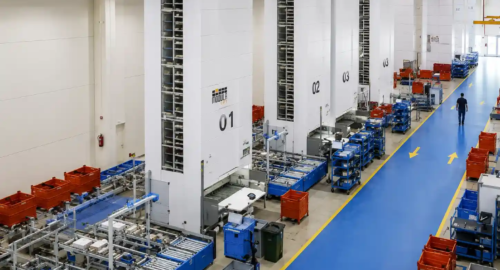
Position the VLM near picking, packing, or assembly areas. It should integrate smoothly with scanners, conveyors, and workstations to support efficiency and ergonomics.
How Modula APAC’s Vertical Lift Module Drives Efficiency
Modula offers cutting-edge automated storage and retrieval systems designed to transform warehouse operations.
These advanced solutions are engineered to maximise productivity, streamline workflows, and safeguard inventory, all while making the most of your available warehouse space.
We provide the Modula Lift to fit your varying operational needs. It’s a highly versatile unit available in a broad range of sizes and load capacities to suit most warehouse environments.
Our Modula Lift can help you:
- Boost picking speed and order accuracy
- Diminish manual handling errors
- Enhance ergonomic item access for operators
- Accelerate warehouse throughput
- Gain better visibility and control over inventory