







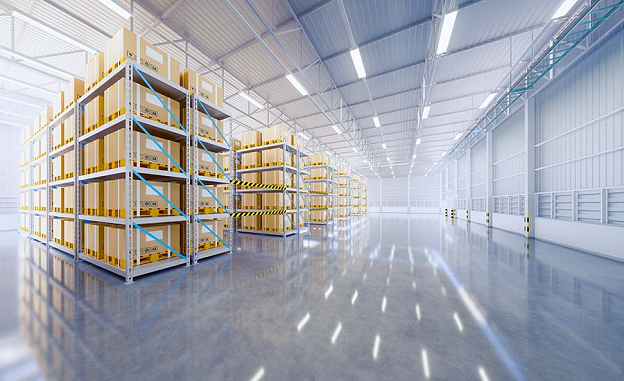
If you’re responsible for managing a warehouse that houses small parts, you’ve probably experienced the common management challenges.
Even a small amount of missing parts can disrupt the entire operation, resulting in costly time and costs.
That’s why ensuring every inventory item is organized and secure maintains high levels of productivity, efficiency and safety.
In this article, we’ll cover everything about parts storage – from traditional vertical parts storage containers to our Modula APAC automated parts storage system.
What do we mean by “small parts” in the warehouse?
Small parts are lightweight, compact SKUs that often require specific handling, storage or inventory management strategies due to their size, value, and higher risk of loss or misplacement.
Despite their small size, small components are indispensable in production and operations, and they are also more difficult to manage. On the one hand, they tend to be of higher value; on the other hand, such materials often exist in bulk inventory, making inventory management more complex.
Common small parts include:
- Hardware: screws, nuts, bolts, washers and clamps
- Electronic components: capacitors, resistors, connectors and chips
- Mechanical components: springs, nuts and bolts
- Tools and Accessories: Drills, Cutting Blades and Fasteners
Four Common Types of Vertical Parts Storage Containers
From manual storage solutions to automated parts storage systems, here are four common types of vertical parts storage containers found in warehouses that can be used to safely store small parts.
1. Plastic storage box
Plastic storage bins can often be stacked together or mounted on the wall as part of a storage system.
They offer smaller warehouses a more cost-effective alternative to racks and drawers. Made of durable polypropylene, plastic storage bins are water and oil resistant.
2. Industrial chest of drawers
Industrial drawer chests are storage cabinets used to organize equipment and tools in facilities, such as automotive repair shops and machine shops.
These cabinets often feature lockable doors to limit access, improving inventory security and management control. In addition, industrial storage cabinets can be integrated with workbenches or operating desks to create a more compact and efficient workspace.
However, although industrial drawers are great for storing small materials and tools, they have certain limitations in terms of vertical space utilization. To expand storage capacity, additional floor space is often required.
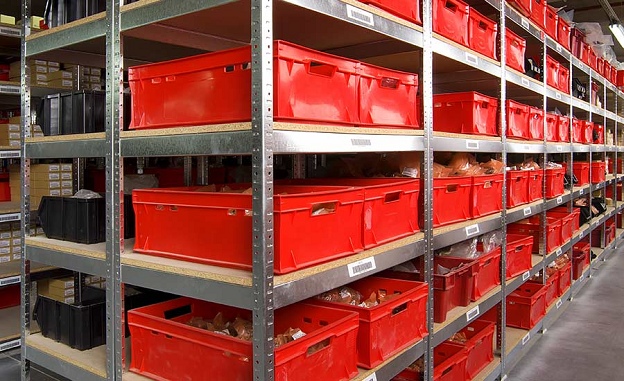
3. Standard racking system
Standard racking is one of the most common systems for storing small parts. It is often used in conjunction with plastic pallets or boxes to organize and separate individual SKUs.
These racks are flexible in configuration and can be used to store a variety of spare parts and tools.
From a structural point of view, shelf systems are mainly divided into two categories: mobile shelves and fixed shelves.
4. Automated Access System (ASRS)
Automated Storage and Retrieval Systems (ASRS) are advanced robotic and computer-controlled solutions that automatically and safely remove and store items.
Unlike traditional racking, automated access systems make the most of a facility’s existing space.
Common Challenges in Small Parts Storage
In industries such as automotive, electronics or manufacturing, the storage and management of small parts often presents a unique set of challenges that can directly impact inventory management efficiency.
- Space restrictions:Even small parts can quickly take up a lot of space when stored in bulk. Efficient use of space is critical, especially when expanding physical storage space is expensive or limited.
- Diverse inventory types:We have a wide range of small parts in stock, from nuts and bolts to capacitors and transistors. Each item requires a specific storage solution as they vary in size, shape and material, requiring a flexible storage solution that can accommodate diverse items. For example, screws should be stored in small, labeled storage bins for easy access. Capacitors may need to be stored in anti-static storage containers to avoid damage, using drawers lined with conductive material.
- Classification and organization:Effective classification and organization are critical to managing small parts. Poor management can lead to time-consuming searches for items and picking errors, which can delay operations and impact customer satisfaction.
- Accessibility:Small parts need to be easily accessible for quick access. Striking a balance between space efficiency and accessibility is critical. Like modular drawers, swivel systems or other compact storage options that provide good visibility and easy access.
- Protection and storage of high-value and fragile parts:Small parts usually have a higher value. For example, electronic components and specialty screws often require a controlled environment to prevent damage from static electricity, dust, moisture, and mishandling.
Best Practices for Using Vertical Parts Storage Containers
Establishing clear guidelines for using a parts storage system can help warehouse staff optimize inventory management, reduce waste and improve overall efficiency.
Maximize your warehouse layout
Optimizing warehouse layout can significantly reduce handling time and improve operational efficiency.
Optimization strategies include:
- Reasonably plan the width of the passage to ensure smooth passage of equipment and personnel
- Remove debris, keep passages clear, and create a safe working environment
- Locate high-frequency picking items close to packaging and shipping areas to improve operational efficiency
Clearly label storage containers
Clear labels on storage containers can help warehouse personnel quickly identify materials and their locations, reducing search time and improving picking accuracy.
When implementing tag management, you can refer to the following practices:
- Clearly label all parts and boxes with barcodes or RFID tags. For example: the label can contain product name, box number and barcode
- Make sure labels are durable, easy to read, and posted at eye level
- Use colors to distinguish different SKU types, such as using blue labels for mechanical parts, green labels for bottle caps, etc.
Manage warehouse temperature and humidity environment
Controlling environmental conditions in storage areas can help protect sensitive components and extend their service life.
For example, humidity should be kept low to prevent corrosion of metal components, while maintaining a stable temperature to ensure stable performance of electronic components.
Specific measures include:
- Regularly maintain your heating, ventilation and air conditioning (HVAC) system to ensure it is running efficiently
- Enhance wall, roof and floor insulation to maintain desired temperatures
- Install temperature and humidity sensors in the warehouse to continuously monitor the environment
Improve employee safety
Whether it is screws or nails, when small parts exist in large quantities, if stored improperly, it is easy to cause slips, trips and other safety hazards.
To ensure the safety of warehouse workers, the following should be done:
- Clean and tidy the work area regularly to prevent accumulation of debris
- Provide visible signs and warnings in potentially hazardous areas, such as chemical storage areas, high-voltage equipment, or heavy machinery areas
- Conduct regular inspections and maintenance of all equipment and tools to prevent breakdowns and accidents
Conduct systematic training for employees
Through a comprehensive training mechanism, ensure that warehouse personnel are familiar with safety regulations and operating procedures.
In small parts management training, the following methods can be adopted:
- Include specific training on classification, labeling and storage methods as part of onboarding
- Conduct regular refresher training to continuously improve employee skills and provide timely training when new technologies or systems are launched.
- Combining illustrated illustrations, practical demonstrations and interactive training to deepen employees’ understanding of safety regulations and operating points

What is a vertical component rotation system?
The Vertical Lift Module (VLM) is an automated storage and retrieval system (ASRS) that optimizes floor space through its vertical, compact structural design.
In a typical vertical slew system, the load tray is fixed on a closed vertical circulation track, and the inventory circulates along the vertical direction. Its structure is similar to a Ferris wheel enclosed in a metal shell.
This innovative design enables efficient storage, easy access and excellent space utilization.
Explore Modula APAC’s automated parts storage system
From paper clips and thumbtacks to resistors and more, Modula APAC provides vertical automated parts storage systems and other warehousing technology to help companies improve organizational efficiency, operational security and process orderliness.
These systems not only speed up the picking process and reduce the risk of inventory loss, but also significantly save time and operating costs.
With a capacity equivalent to more than 300 square meters of traditional racking, the Modula Lift takes advantage of the warehouse’s ceiling height to optimize small parts storage and prevent unauthorized access.
Why choose Modula Lift as your vertical parts storage solution?
- Frees up to 90% of floor space
- Modula pallets carry heavy materials with ease
- A variety of carrying capacities are available to maximize return on material handling investment
- The internal bay is suitable for scenarios with limited space; if you need to integrate a crane or mechanical assist device to handle heavy materials, you can choose the external bay.
- Modula Warehouse Management System (WMS) easily integrates with existing systems such as ERP, SAP, Oracle and Microsoft
- Create an ergonomic working environment and avoid taking objects from high or low places
At Modula APAC, we offer you innovative warehouse automation solutions to help you manage small parts efficiently. Welcome to contact us to learn more about customized solutions!

If you manage a warehouse that stores small parts, you may understand the challenges that often come with it.
Even if just a few of these parts go missing, it can disrupt your operations and lead to costly delays.
That’s why it’s key to keep every inventory organised and secure to maintain high standards of productivity, efficiency and safety.
In this article, we’ll cover everything you need to know about storing parts — from traditional vertical parts storage containers to our automated parts storage systems at Modula APAC.
What Are Small Parts in a Warehouse?
Small parts are lightweight, compact SKUs that often require specific handling, storage or inventory management strategies due to their size, value and the higher risk of being lost or misplaced.
Small parts are essential yet challenging to manage due to their size and value. Their inventory management can also be complex, as these parts are typically stocked in large quantities.
Examples of small parts include:
- Hardware: Screws, nuts, bolts, washers and clips
- Electronics: Capacitors, resistors, connectors and chips
- Mechanical Components: Springs, nuts and bolts
- Tools and Accessories: Drill bits, cutting blades and fasteners
4 Different Types of Vertical Parts Storage Containers
From manual storage options to automated parts storage systems, here are the different types of vertical parts storage containers you can use to secure small parts in the warehouse.
1. Plastic Storage Containers
Plastic storage containers are typically stacked on top of each other or are mounted on walls as part of a storage system.
They offer a cost-effective alternative to shelving and drawer storage for smaller warehouses. Made from durable polypropylene, plastic storage containers can resist water and oil spills.

2. Industrial Drawers
Industrial drawers are storage cabinets that organise equipment and tools in facilities, such as automotive repair shops and machine shops.
These cabinets often feature doors that secure inventory and restrict access, providing both protection and control. Additionally, industrial storage cabinets can be integrated with desks and workstations to create a more streamlined and functional workspace.
Although they are ideal for storing small items and tools, industrial drawers have limitations in terms of vertical space utilisation, often requiring additional floor space to expand storage capacity.
3. Standard Shelving Systems
Standard shelving is one of the most common systems for storing small parts. It is often used with plastic totes or bins to organise and segregate individual SKUs.
You can easily configure these shelves to store a wide range of spare parts and tools. Shelving systems fall into two categories: mobile and static shelves.
4. Automated Storage and Retrieval Systems (ASRS)
Automated storage and retrieval systems (ASRS) are advanced robot- and computer-controlled solutions that can automatically retrieve and store items securely.
Unlike traditional shelving, automated storage and retrieval systems make the most of your facility’s existing space.
Common Challenges When Storing Small Parts
Storing small parts in any inventory system, especially in industries like automotive, electronics or manufacturing poses distinct challenges that can impact inventory management.
- Space Limitations: Even small parts can quickly take up significant space when stored in large quantities. It’s vital to use space efficiently, especially since expanding physical storage can be costly or limited by the facility’s constraints.
- A Wide Range of Different Inventory Types: From nuts and bolts to capacitators and transistors, small parts inventory can vary greatly. Each type of item requires specific storage solutions, as they vary in size, shape and material, requiring a versatile storage solution that can accommodate this diversity. For example, you should store screws in small, clearly labeled bins for easy access. On the other hand, capacitators may require anti-static storage to prevent damage, utilising drawers lined with conductive material.
- Sorting and Organisation: Effective sorting and organisation are crucial for managing small parts. Poor management can result in wasted time searching for items and picking errors, which can delay operations and negatively affect customer satisfaction.
- Accessibility: Small parts need to be easily accessible for quick retrieval. Balancing space efficiency with accessibility is key. Solutions like modular drawers, carousel systems or other compact storage options can provide visibility and easy access.
- Protection and Storage of Costly and Delicate Parts: Small parts are often highly valued. For example, electronic components and specialty screws often require controlled environments to protect them against static, dust, moisture and costly mishandling.
Best Practices When Using Vertical Parts Storage Containers
Establishing clear guidelines for using your parts storage systems can help your warehouse employees optimise inventory management, cut down on waste and boost overall efficiency.
Maximise Your Warehouse Layout
Optimise your warehouse layout to significantly reduce travel time and boost operational efficiency
To maximise your facility’s layout:
- Arrange aisles to accommodate equipment and employee movement
- Remove clutter and keep pathways clear to foster a safe workplace
- Strategically place high-demand items closer to the packing and shipping areas to improve workflow efficiency
Label Your Parts Storage Containers
Attach clear labels on your storage containers to help your warehouse employees quickly identify the contents and locations of items to further reduce search times and increase picking accuracy.
To implement labeling and parts identification:
- Clearly label all parts and bins with barcodes or RFID tags for easy identification. For example, include the product, bin number and barcode on each label
- Ensure labels are durable and readable, and placed at eye-level
- Use color-coded labels to easily identify different SKU categories. For example, use blue labels for mechanical parts and green labels for bottle caps
Manage Your Facility’s Temperature
Control environmental conditions in your storage areas to preserve sensitive components and extend their lifespan.
For example, keep the humidity levels low to prevent corrosion in metal parts and maintain a consistent temperature to ensure the stability of electronic components.
To manage your warehouse’s temperature:
Schedule regular maintenance for your heating, ventilation and air conditioning (HVAC) systems to make sure they’re running efficiently
Enhance insulation in walls, roofs and floors to maintain the desired temperature levels
Install temperature and humidity sensors throughout your facility to continuously monitor conditions
Promote Employee Safety
Whether it’s screws or nails, it’s no secret that small parts in large volumes can cause work hazards, such as slips and falls, if you don’t store them properly.
To ensure your facility is safe for your warehouse operators:
Regularly sweep and clean work areas to prevent clutter build-up that can lead to accidents
Place visible signs, labels and markings around areas with potential hazards, such as chemical storage, high voltage equipment or heavy machinery zones
Conduct regular inspections and maintenance on all machinery and tools to prevent malfunctions and failures
Effectively Train Your Employees
Implement training strategies to help your warehouse operators are well-versed in safety protocols and operational procedures.
To effectively train your employees in managing small parts:
Implement a detailed onboarding process that includes specific training on sorting, labeling and storing techniques
Provide regular refresher courses to keep your employees’ skills sharp and introduce new methods or technologies when they become available
Use visual aids, practical demonstrations and interactive workshops to help them retain knowledge of safety guidelines and beyond

What Is a Vertical Parts Carousel?
A vertical lift module (VLM) is an automated storage and retrieval system (ASRS) designed to optimise floor space with its vertical, condensed structure.
In a typical vertical carousel, carriers are securely mounted on a closed-loop vertical track that moves inventory in a vertical circular motion. It’s similar to a Ferris wheel enclosed within a metal casing.
This innovative design enables efficient storage, easy access to parts, and improved space utilisation.
Explore Automated Parts Storage Systems at Modula APAC
From paperclips and thumbtacks to resistors and beyond, Modula APAC provides vertical automated parts storage systems and other warehouse technologies that can help your operations and processes become more organised, efficient and safe.
These systems optimise the retrieval process, reduce the risk of inventory loss, and ensure that every item is easily accessible, saving time and reducing operational costs.
The Modula Lift — which is equivalent to over 300 square meters of traditional shelving — leverages your warehouse’s ceiling height to streamline small parts storage and keep items secure from unauthorised access.
Why choose Modula Lift as your vertical parts storage solution?
- Recover up to 90% of your floor space
- Modula trays handle heavy loads effortlessly
- Choose from various payload options to maximise your investment returns in material handling
- Our Internal Bay is ideal for tight space. If you need to integrate picking aids like cranes or mechanical manipulators for heavy materials, opt for the External Bay.
- Our Modula Warehouse Management System (WMS) easily integrates with your existing systems like ERP, SAP, Oracle and Microsoft
- Create an ergonomic environment to eliminate the need for reaching high or low areas
At Modula APAC, we offer innovative warehouse automation to efficiently store your small parts. Get in touch with us to discover how our technology can be tailored to meet your needs.

![How to improve order picking accuracy [including ideal ratio]](https://en.modula.cn/wp-content/uploads/2026/04/how-to-improve-order-picking-accuracy-hero-image-800x489-1-500x270-c-center.webp "How to improve order picking accuracy [including ideal ratio]")


