








A warehouse management system (WMS) is a solution that helps businesses manage daily warehouse operations. It is an essential component of supply chain management, providing real-time visibility into all stages of inventory, from shipping and storage to final shipment.
In this article, we will introduce all the key aspects of warehouse management systems, including their functions, different types and introduce Modula APAC’s advanced and innovative solutions.
What is warehouse management?
Warehouse management is a general term covering the daily operations of a warehouse, including layout management, inventory management, personnel scheduling, order fulfillment and shipment coordination.
Efficient warehouse management improves productivity and operational efficiency, ensuring orders are fulfilled quickly and accurately.
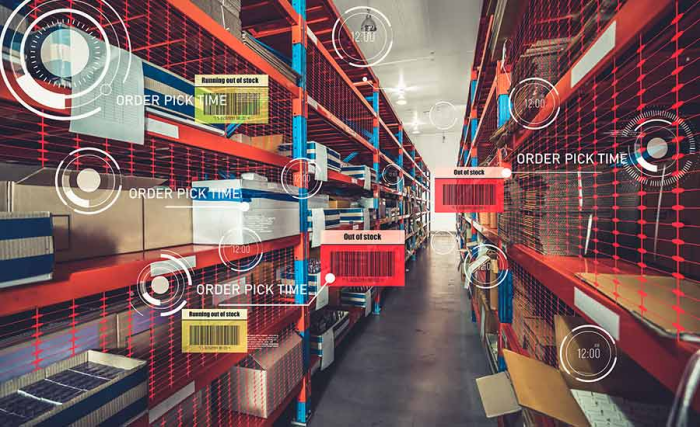
Warehouse Management vs. Inventory Management
Warehouse management involves overseeing the day-to-day operations of a warehouse to ensure that products are delivered to customers in a timely, accurate, and cost-effective manner.
In contrast, inventory management is responsible for the control and control of inventory in multiple warehouses or the entire company. It optimizes material handling, the flow of goods from point A to point B, to save space and costs while meeting customer needs.
What is a warehouse management system (WMS)?
A warehouse management system (WMS) is a software application that automates the daily operations of a warehouse.
With a WMS, your employees can:
- Process and monitor individual SKUs, product records, unique tags, product transfers and inventory counts
- Arrange orders efficiently
- Control and monitor the storage and transportation of goods in the warehouse
- Set location identifiers and tags
- Manage and assign team tasks, set access permissions, and observe user operations
- Get real-time visibility into warehouse staff, labor costs, response rates, productivity gaps and planning trends
- Monitor package delivery times and destinations to ensure accuracy
- Automatically generate packaging orders, invoices, and send delivery notifications
- Monitor system functionality, detect and resolve issues, generate reports and notifications, review and evaluate data
- Connect and exchange information with other systems and applications through data entry or file transfer
How does a warehouse management system work?
A typical WMS operation is as follows:
- Optimize scheduling: WMS analyzes existing orders and employee availability to estimate daily costs and coordinate with shipping providers to optimize receipt and shipment times.
- Organize warehouses: WMS uses warehouse dimensions and inventory details such as pallet and product dimensions to create strategic layout designs to expand storage space.
- Manage inventory: WMS tracks inventory movement through barcodes, sensors, and RFID tags. Warehouse employees scan products as they receive, store, pick, pack and ship orders, updating inventory levels in real time to reduce waste and prevent stock-outs.
- Order fulfillment: WMS provides detailed mobile-accessible picking lists, accurately indicating the location of goods, helping to achieve fast and accurate order fulfillment.
- Monitor system performance: WMS ensures process compliance, monitors operational issues, and collects data to evaluate performance, identify areas for improvement, set goals, and track progress.
Types of Warehouse Management Systems
There are several WMS types on the market, which can be chosen based on enterprise needs and goals, including:
1. Integrated warehouse management system
An integrated WMS is usually an extension of an existing ERP system. ERP is comprehensive software that integrates core business functions such as finance, customer relations, and project management.
Integrated WMS synchronizes with other business processes such as invoicing, sales and accounting to provide enterprises with a unified view of operations.
2. Independent warehouse management system
A standalone WMS specializes in managing warehouse operations such as inventory control and report generation. The cost is usually lower than an integrated WMS.
However, the functions of independent WMS in other business areas such as accounting, order processing and reverse logistics are relatively limited.
3. Cloud warehouse management system
Cloud WMS is managed by a remote host and can be accessed anytime and anywhere. It requires less on-site hardware and IT support than on-premises solutions.
Cloud WMS is fast to implement, flexible in customization, and can be adjusted according to enterprise needs.
Typically, cloud WMS are managed on a subscription model by third-party providers, reducing upfront costs and simplifying maintenance.
4. Supply chain module WMS
The supply chain module WMS is not limited to warehousing management, but also covers the coordination of the entire supply chain, including customer and supplier relationships, procurement, production and transportation management.
Such systems provide real-time visibility to optimize decision-making and resource allocation.
Therefore, many third-party logistics (3PL) providers will use it in conjunction with other WMS solutions. Although the deployment of supply chain module WMS requires certain integration work, it can greatly optimize the entire supply chain.
Key Benefits of Warehouse Management Systems
As the core pillar of an e-commerce warehouse, WMS can reduce inefficient operations and support business growth.
WMS can optimize warehouse operations by:
1. Improve inventory accuracy
An efficient WMS can achieve real-time inventory tracking, ensure accurate inventory data, and reduce inventory losses.
Many systems also allow you to set up automatic replenishment reminders, which automatically notify you when a SKU reaches a preset threshold, simplifying the replenishment process.
In addition, WMS can also track inventory and order history, helping companies monitor the sales speed of SKUs and make more accurate demand forecasts.
2. Improve order processing efficiency
WMS can be integrated with e-commerce platforms (such as Shopify or Wix) to ensure real-time inventory updates and avoid customers finding out of stock after placing orders.
Accurate inventory data allows orders to flow more efficiently through the supply chain.
3. Strengthen inventory security
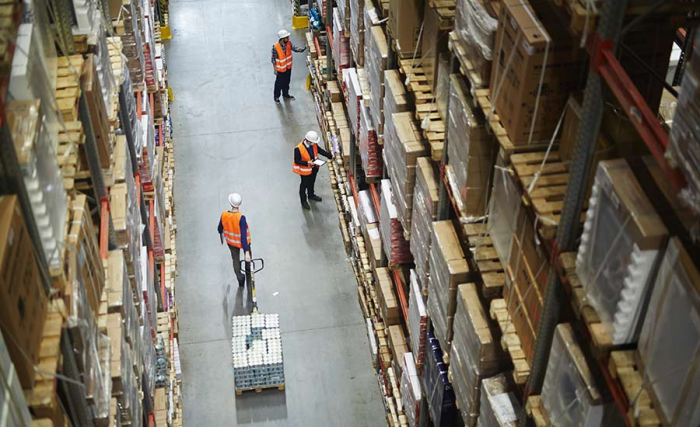
Without security protocols, warehouse theft can occur, even at large warehouses like Amazon.
WMS improves inventory security through access control, employee rights management, and user activity tracking.
4. Improve order picking accuracy
WMS can provide precise picking instructions to handheld devices or mobile terminals, including optimal paths, product locations and quantities, thereby improving picking accuracy and efficiency.
Some systems also integrate “pick-to-light” technology, using visual cues to guide pickers to the correct product location and pick up the correct quantity, reducing picking errors.
5. Speed up delivery
With WMS to optimize fulfillment logistics, companies can calculate estimated shipping times and evaluate whether they have the ability to offer more shipping options.
For example, WMS can analyze logistics data to evaluate whether next-day or same-day delivery services can be achieved based on current inventory locations and transportation resources.
6. Reduce operating costs
Although the upfront investment in a WMS may be higher, in the long term it can deliver significant cost savings:
Reduce human errors such as picking errors
Speed up order fulfillment and improve employee efficiency
Reduce inventory losses and stock-outs with inventory visibility
Improve operational efficiency with Modula APAC’s warehouse management system
At Modula APAC, we provide automated storage solutions and warehouse management systems that help various industries optimize warehouse space, picking processes and inventory management.
Our smart WMS can be used as a standalone software for manual warehouses or can be seamlessly integrated with automated storage and retrieval systems (ASRS).
With advanced features and a user-friendly interface, the system is easily compatible with most distribution management systems (DMS) and enterprise resource planning (ERP) systems, ensuring faster and more accurate receiving, picking and storage processes.
Contact us to learn how our technology can bring value to your team. Our experts will provide you with customized advice and solutions to meet your unique warehouse needs.

A warehouse management system (WMS) is a solution that helps companies manage daily warehouse operations. It’s a vital component of supply chain management, offering real-time visibility into all inventory stages, from transit to storage and dispatch.
In this article, we’ll cover everything you need to understand about warehouse management systems, including their functionality, various models, and introduce our sophisticated and innovative solutions at Modula APAC.
What Is Warehouse Management?
Warehouse management is an umbrella term that describes daily operations in the facility, such as managing layout, inventory, labour, order fulfillment, and shipping coordination.
Effective warehouse management boosts productivity and efficiency, ensuring fast and accurate order fulfilment.

Warehouse Management vs. Inventory Management
Warehouse management involves overseeing daily warehouse operations to ensure timely, accurate, and cost-effective delivery of products to customers.
In contrast, inventory management oversees stock across multiple warehouses or an entire company. It optimises material handling, or the movement of goods from point A to point B, to save space and money while meeting customer demand.
What Is a Warehouse Management System (WMS)?
A warehouse management system (WMS) is a software application that automates daily warehouse operations.
With a WMS, your employees can:
- Handle and monitor individuals SKUs, product records, unique tags, product transfers, and inventory counts
- Arrange orders efficiently
- Control and monitor the placement and transit of goods within your facility
- Establish location identifiers and markers
- Administer and delegate tasks to team members, define access controls and privileges, and observe user actions
- Gain instant insights into warehouse staff, labor costs, response rates, productivity gaps, and planning trends
- Monitor package delivery times and destinations for accuracy
- Automatically generate packing slips, invoices, and send shipment notifications
- Oversee system functionality, detect and address issues, produce reports and notifications, review and assess data
- Connect and exchange information with other systems and applications via data input or file transfer
How Does a Warehouse Management System Work?
Here’s how a WMS typically works:
- Optimise schedules: A warehouse management system analyses existing orders and staff availability to plan daily estimate costs and coordinate with transport providers. This ensures optimal timing for receiving and shipping orders.
- Organise your warehouse: A WMS utilises warehouse size and inventory details, such as pallet and product dimensions, to create strategic layout designs that expand storage space.
- Manage inventory: A WMS tracks inventory movement using barcodes, sensors, and RFID tagging. Warehouse employees scan products as they receive, store, pick, pack, and ship orders. This updates inventory levels in real time, minimising waste and preventing shortages.
- Fulfil orders: A WMS aids in fast and accurate order fulfillment by providing picking teams with detailed, mobile-accessible packing lists that show precise item locations.
- Monitor system performance: A WMS ensures procedural adherence, monitors operations for issues, and collects data to assess performance, identify improvements, set goals, and track progress.
Types of Warehouse Management Systems
There are various warehouse management systems (WMS) available, each tailored to your business needs and goals, including:
1. Integrated Warehouse Management System
An integrated WMS typically serves as an extension of your existing ERP system — a comprehensive software that consolidates core business functions like finance, customer relations, and project management.
An integrated WMS synchronises with other business processes, including invoicing, sales, and accounting, offering a unified view of your operations.
2. Stand-Alone WMS
A stand-alone WMS independently manages warehouse operations such as inventory control and report generation. It is typically more affordable than an integrated WMS.
It provides limited functionality for other business areas like accounting, order processing, and reverse logistics.
3. Cloud-Based WMS
A remote host manages a cloud-based WMS, allowing access from anywhere, anytime. This type of WMS requires less on-site hardware and IT support compared to on-premises solutions.
Cloud-based warehouse management systems are quick to implement and highly customisable. This enables companies to tailor them to their specific needs.
A third-party provider typically manages cloud WMSs on a subscription basis, reducing upfront costs and simplifying maintenance needs.
4. Supply Chain Module WMS
A supply chain module WMS ensures seamless coordination across various functions beyond warehousing.
It manages all aspects of the supply chain, including customer and vendor relationships, sourcing, manufacturing, and transportation. The integration provides real-time visibility, improving decision-making and resource allocation.
As a result, many third-party logistics (3PL) providers use it alongside other WMS solutions. Although setting up the Supply Chain Module WMS may require some integration effort, it offers significant benefits in optimising the entire supply chain.
Key Benefits of a Warehouse Management System
Acting as the backbone of your eCommerce warehouse, a WMS decreases inefficiencies and supports business growth.
A WMS can benefit your warehouse operations in several ways, including:
1. Enhancing Inventory Accuracy
A well-implemented WMS provides real-time inventory tracking, ensuring precise stock counts and diminishing inventory shrinkage.
Many systems even allow you to set automatic reorder reminders when SKUs reach predetermined thresholds, streamlining replenishment.
Additionally, warehouse management systems often track inventory and order histories, allowing you to monitor SKU velocity over time and make more accurate demand forecasts.
2. Improving Order Efficiency
A WMS integrates with your eCommerce platform, like Shopify or Wix, to keep your inventory updated in real-time. This reduces the risk of customers ordering out-of-stock items.
With accurate inventory data, orders move through the supply chain more efficiently.

3. Strengthening Inventory Security
Without proper safety protocols, warehouse theft can occur — even in facilities like Amazon’s.
Warehouse management systems amplify inventory security by enabling access controls, employee permissions, and user activity tracking.
4. Reinforcing Accurate Order Picking
A WMS provides precise picking instructions to handheld devices or mobile terminals, detailing optimal routes, item locations, and quantities to boost accuracy and efficiency.
Some systems also integrate with pick-to-light technology. They use visual cues to guide pickers to the correct items and quantities, reducing mispicks.
5. Enabling Faster Shipping
With the right WMS streamlining your fulfilment logistics, your team can calculate estimated shipping times and assess the feasibility of offering additional shipping options.
For example, it can analyse logistical data to evaluate if overnight or same-day delivery is achievable based on your current inventory locations and transportation resources.
6. Lowering Costs
While a WMS may seem costly upfront, it delivers long-term savings by:
- Decreasing manual errors, such as mispicks
- Accelerating fulfilment to maximise labour efficiency
- Mitigating inventory shrinkage and stockouts with improved visibility
Supercharge Your Operations With Modula APAC’s Warehouse Management System
At Modula APAC, we offer automated storage solutions and warehouse management systems that streamline warehouse space, picking processes, and inventory management across industries.
Our intelligent, end-to-end WMS functions as stand-alone software for manual warehouses and operates seamlessly with automated storage and retrieval systems (ASRS).
With advanced features and a user-friendly interface, it integrates easily with most distribution management system (DMS) and enterprise resource planning (ERP) systems, ensuring faster and more accurate receiving, picking, and storing processes.
Get in touch with us to understand how our technology can benefit you and your team. Our experts are prepared to offer customised guidance and solutions to address your unique warehouse requirements.